Monday, 30 January 2017

Boxes That Ship Calm

Shipping should feel routine, not risky. Yet many businesses feel uneasy the moment orders leave the building. They replay questions in their head. Will the box hold its shape? Will it survive stacking? Will it arrive looking the way it did when it left? That tension often has less to do with the product and more to do with the shipping boxes chosen to protect it.

Calm shipping starts with confidence in structure. A reliable box feels solid the moment you touch it. It does not twist when lifted or sag when set down. That firmness creates a sense of control at the packing table. When boxes behave predictably, workers move with less hesitation and fewer second guesses.

Uncertainty usually comes from inconsistency. Some boxes fold cleanly while others resist. Some hold weight while others feel flimsy. That uneven performance forces people to slow down and compensate. Shipping boxes that perform the same way every time remove that friction. Familiarity builds trust, and trust creates speed.

Proper fit also plays a major role in calm shipping. A box that fits the product naturally feels right immediately. There is no forcing corners, no awkward bending, no pressure pushing outward. The product settles into place with room for protection and no wasted space. That balance reduces internal movement and keeps stress off the box walls.

Stacking pressure is another major source of worry. Boxes rarely travel alone. They are stacked in trucks, warehouses, and sorting centers. Weak boxes collapse slowly under weight, often without warning. Shipping boxes designed to handle stacking pressure maintain their shape and protect not only their own contents but the boxes beneath them as well.

Moisture adds another layer of concern. Rain during loading, humidity in storage, or sudden temperature shifts can weaken cardboard fibers. Boxes that absorb moisture lose stiffness and strength. Shipping boxes built to resist moisture stay dependable longer, reducing the chance of late-stage failures that feel unpredictable and costly.

Inside the operation, calm boxes improve flow. Boxes that fold easily and stay square speed up packing. Workers do not stop to reinforce corners or add extra tape out of fear. That steady rhythm reduces fatigue and keeps attention focused on accuracy instead of damage control.

Calm shipping also improves safety. Stable boxes are easier to lift and stack. When boxes hold their shape and weight evenly, handlers are less likely to drop or mishandle them. That stability protects both products and people.

Customers feel calm too, even if they cannot explain why. A box that arrives firm and intact creates reassurance before it is opened. There is no pause of concern, no moment of doubt. The experience feels smooth and intentional. That feeling shapes how customers judge the entire order.

There is also calm on the back end. Fewer damaged boxes mean fewer complaints, fewer replacements, and fewer apologies. Customer service teams spend less time fixing problems and more time helping customers. That reduction in noise makes the business feel more in control.

Financial calm follows as well. Strong shipping boxes reduce hidden costs caused by failure. One crushed shipment can erase the savings of many cheaper boxes. Reliable boxes protect margins quietly by preventing losses before they happen.

Over time, calm becomes part of the brand’s identity. Customers expect orders to arrive clean and intact. They trust the process. They reorder without worry. Shipping boxes that ship calm do not demand attention. They simply work, order after order, creating confidence from the inside out.

Thursday, 26 January 2017

Moving Again? try these tips

If you are going to be on the move this year or may even be helping some family or friends that is a wonderful thing.  I think moving into a new area or getting the chance to help someone on the next stage of their life is a great boost.  Sometimes people are moving all their possessions and sometimes it is not for a good reason.  Having a helping hand and a should to lean on and help is something that I am always honored to be a part of.  So if this is something you are going to be doing I want to go over my experience with it and maybe give some helping tips to you.


The first thing is to be positive! Moving is filled with stress and random things that can go wrong.  Be in good spirits and even if you are not do your best to lift others up.  It may be a harder time for them than you and it is always nice to have a positive person working on big tasks.  Many people are very sad when they have to order shipping supplies to move all they own.  It can be daunting or simply too emotional for some people to handle. So a calm, helping hand is a wonderful thing to have in this situation.  Not everyone processes emotions the same way and sometimes the moving day is a crazy emotional day. 


The next step I have learned is to buy some new moving boxes.  If you are moving or even helping I have found that using old boxes causing injuries and breaks items.   A New heavy-duty moving box is really a surprisingly nice thing to have and can be picked up rather cheap.  I now go to my local shipping supplies store online and get a moving package for myself or any family and friends that are moving.  It comes loaded with boxes, tape, and markers for all different occasions. I find that this really is a great way to help people out even if they don't think its a nice gift.  In the end, they always appreciate the boxes and tape.  Plus no one gets injured due to a flimsy box with too much weight in it shifting.  Not nearly as many things get broken with good equipment and that helps spirits stay high!


Now I always say that you should attempt to find a trailer with a walk on-ramp.  This is worth renting if you have a vehicle to move it.  The ability to walk furniture and heavy items up a small ramp and not have it go in a truck is amazing.  So much less damage happens usually and people seem to find it so much more simple to move with a trailer. My father in law taught me this and I have tried to make sure to have one on each move I have done since.


Now It is always good to bring extra supplies along and I have found that picking up a really thick packing tape is an amazing help for these moves.  Most packing tape is rather thin and takes a few strips, but the thick stuff is available from specialty stores and it can save a lot of time and even money by getting the right product the first time.  I hope these tips help!

Wednesday, 25 January 2017

All about mailer Boxes

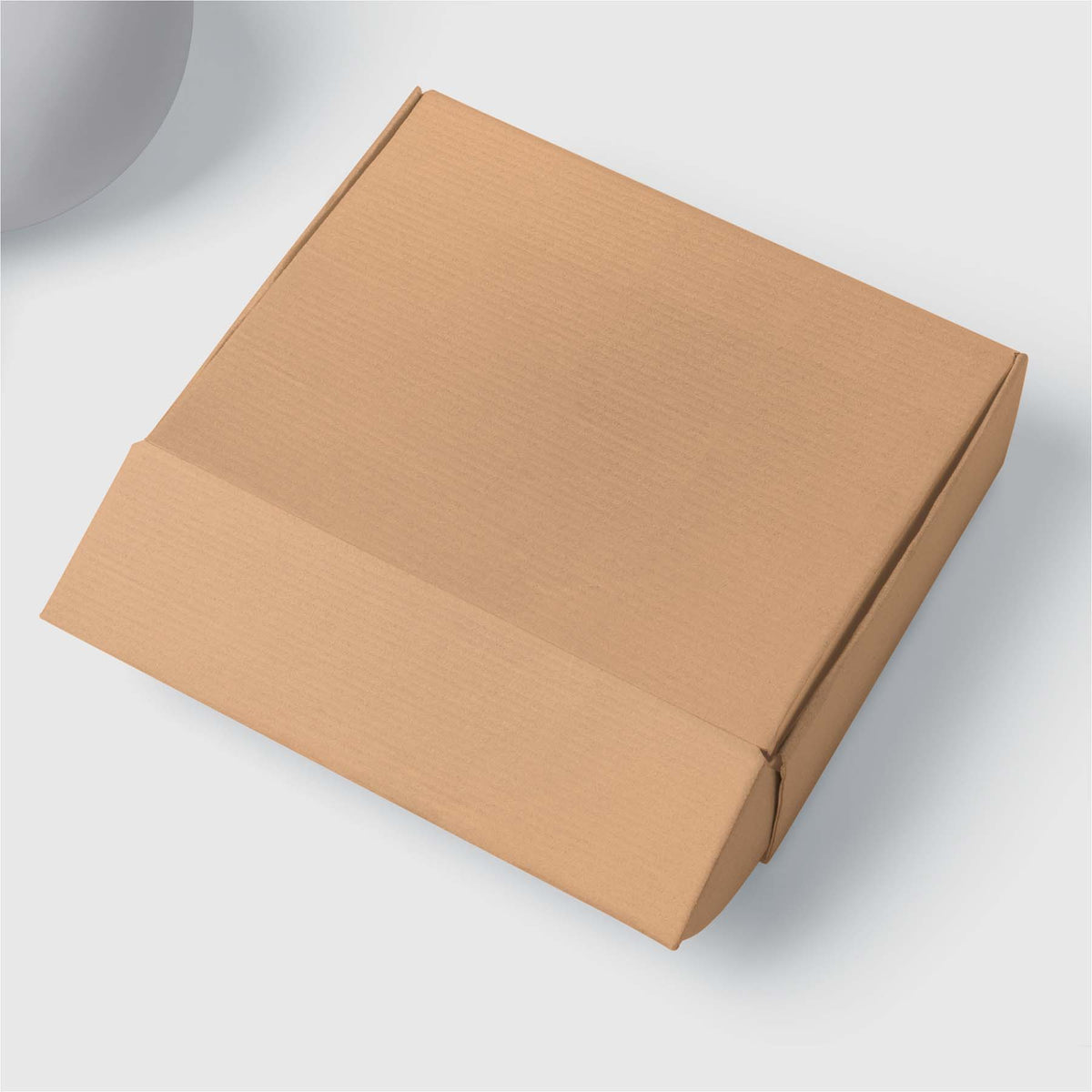
 Mailer boxes are a form of packaging made to transport and protect goods. They’re made from corrugated types of cardboard, which are materials known for strength and overall durability. Corrugated designs, featuring fluted sheets that are placed in between two types of linerboards, offer better cushioning for the items inside. 

This makes it the perfect choice for shipping overall. 

The biggest feature that these mailer boxes offer is what’s called self-locking designs. Unlike other box types which require some tape or other adhesives, you’ll be able to craft mailer boxes with built-in mechanisms to lock them too. 


This isn’t just accessible and very secure, but it provides a better unboxing experience. Due to customers being able to open up the boxes without tools or other aids, it helps to make this easier for a lot of customers too. 

Mailer Box Types 

Which most mailer boxes have certain characteristics, there are a few types made specifically for this purse. 

The most common is of course the regular slotted containers, full overlay containers, and finally die-cut mailers. RSCs tend to be the most common type for this, and feature flaps that sit in the middle. FOCS are also flaps that’ll overlap to give more durability and strength. 

The die-cut ones are more custom-cut, and designed to fit various products, in order to create the ultimate in unique sorts of branding experiences. 


Most of these are made with in-line flexographic printing or slotter folder glue which has one specific operation: to print, fold, cut, and glue these corrugated pieces to more final shapes.  The packaging then gets palletized and are ready to be shipped to other customers. 

Every single one of these do have advantages and different aspects to consider. While RSCs for instance are super cost-effective due to the protection they offer to products, there’s not as much branding chances out there as compared to die-cut sorts of mailers. 

However, die-cuts tend to be the more expensive of these three. But with the customization there, it can be good. 

Materials used 

The most common one of these is corrugated cardboard. It’s chosen because of the durability, strength, and credentials to the environment. Corrugated types of cardboard is made from both recycled and virgin fibers, so it’s ideal for businesses. 

However, other types of materials used in this also play a part. Some may choose to utilize plastic mailers for this. While plastic is not as environmentally friendly, it does offer better protection for different products. This is especially true for electronics, or anything exposed to moisture. 

Customizable Mailer boxes 

One big advantage that this has over other types of packaging is the chance to customize this. businesses can print the logos on there, colors for the branding, and various other designs along the exterior.  It turns the packaging into better marketing tools. 

This not only reinforces the identity of the brand, but creates a better, more memorable sort of unboxing experience. 


Customization also extends to the box interior. Businesses may choose to print messages or designs along the inner parts of the box.it also incorporates branded tissue, stockers, and various other unique inserts. They also offer an added benefit of surprise to customers, to make unboxing feel not just more special, but also way more personal too.

Mailer boxes are ideal for you to get strong and sustainable types of packaging. Here, we went over a few aspects of them, and why they are the best for not just the current packaging experience you have, but future experiences that you might choose to have too.